


Trio Mobil Global Technology Innovation Leader in AI-Based Industrial Safety
Read the Frost & Sullivan Analysis

How to Deploy Forklift Safety Technology: An Implementation Guide for Safety Leaders
 Sep 11, 2026
 3 min
3 min 455
455
You have selected your forklift safety technology. Now comes the part that decides whether it protects anyone: the rollout. Implementation is where a safety program either takes hold across the floor or stalls in a pilot that never scales. The technology you chose sets the ceiling for what is possible. How you deploy it decides how much of that potential your facility actually reaches.
If you are still weighing sensor types and detection methods, start with our guide to choosing forklift safety technology in 2026. This article picks up after that decision. It walks through how to deploy a system across a live, mixed-traffic facility: from readiness assessment and pilot testing to zone configuration, integration, and the costs that run across the full deployment lifecycle.
Key Takeaways
- A structured, phased rollout, moving through readiness, pilot, training, and optimization, turns a technology purchase into measurable risk reduction.
- A pilot in one high-risk zone surfaces tuning needs before facility-wide rollout, protecting operations from false-alarm fatigue.
- Safety zones and alert thresholds should map to your real traffic patterns, not generic defaults.
- Integration with existing cameras, fleet systems, and mixed forklift brands determines how much new hardware a deployment actually needs.
- Total cost of ownership runs across the deployment lifecycle: planning, installation, operation, and optimization, not just the purchase price.
Start With a Readiness Assessment

Before installation begins, map where the system will work hardest and what your facility can support. A short assessment now prevents mid-rollout surprises later.
- Risk mapping. Locate intersections, blind corners, loading docks, and narrow aisles. Review near-miss and incident records to find the zones where forklift and pedestrian paths cross most often.
- Traffic patterns. Quantify pedestrian and vehicle flow by time of day. Shift changes and shipping windows create peaks the system must handle, so plan for peak conditions rather than averages.
- Infrastructure audit. Confirm power availability and network coverage at every mounting point. Finding gaps early keeps them from stalling the rollout.
- Fleet compatibility. Catalog the forklift brands, models, and ages across your fleet. A system that installs across mixed fleets removes the need for vehicle-by-vehicle workarounds.
Phase 1: Planning and System Design
Work with your vendor to translate the readiness assessment into a working configuration. This phase defines the shape of the deployment before any hardware goes up.
- Define safety zones and alert thresholds directly from your traffic map: high-risk intersections, dock approaches, and pedestrian walkways each get their own settings.
- Set power and network requirements per location, and resolve any gaps found in the readiness audit.
- Agree on mounting positions for cameras and sensors that give clear coverage of each risk zone.
- Document the response logic: what an alert triggers for operators, and what an active-intervention event, such as automatic speed reduction, triggers on the vehicle.
Phase 2: Pilot in One High-Risk Zone
Deploy first in a single, well-understood area before you commit the whole site. A focused pilot turns assumptions into evidence.
- Choose a zone with known risk and steady traffic, so the results carry real weight.
- Tune detection sensitivity and alert thresholds against live conditions. Over-sensitive settings create the alarm fatigue that erodes operator trust, so this step matters as much as the hardware.
- Collect structured feedback from operators and safety personnel while the pilot runs.
- Confirm that alerts fire when they should and stay quiet when they should, then lock the configuration before scaling it outward.
Phase 3: Training and Facility-Wide Rollout
AI-powered devices do the detection. People still decide how to respond, so a short orientation turns accurate alerts into the right action on the floor.
- Brief forklift operators on what each alert means and the response it calls for.
- Orient pedestrians, visitors, and contractors on how the system protects them, and where tagless detection or tags apply.
- Equip safety managers to read the dashboard and act on the data it surfaces.
- Roll out zone by zone, carrying the tuned pilot configuration outward and adjusting for each area's layout.
Set Up Zone-Based Safety Rules and Indoor Positioning
Real-time indoor positioning lets safety rules follow location rather than sit in fixed spots. This is where a deployment moves from simple proximity alerts to intelligent, facility-aware safety.
- Configure detection zones to match each area's layout and traffic, and set proximity thresholds area by area.
- Let position data drive dynamic rules: a high-traffic intersection can trigger automatic speed reduction when a pedestrian is present, and a loading dock can raise warnings during active shipping windows.
- Because indoor positioning works around corners and behind racking, zones can protect the blind approaches that fixed cameras miss.
- Review zone performance after go-live and refine thresholds as traffic and layout shift over time.
Integrate With the Systems You Already Run
Integration decides how much new hardware a deployment actually needs. The more the platform works with your existing infrastructure, the leaner the rollout.
- Existing cameras. Many deployments connect to current CCTV, turning installed cameras into active safety monitors and reducing new hardware.
- Mixed forklift fleets. A brand-agnostic system installs across different vehicle makes and models without custom rigging for each one.
- Facility and fleet systems. Connect the safety platform to fleet management and incident tracking, so data flows into the tools your team already uses.
- Plug-and-play installation. Mounting that minimizes rewiring keeps operational disruption low while each zone comes online.
Ask the Right Questions During Rollout
Once the technology is chosen, the questions that matter shift from feature lists to deployment and support. Focus vendor conversations on how the rollout will actually run.
- Installation. How long does rollout take per zone, and can operations continue during it?
- Tuning. Who tunes detection sensitivity, and how are false-alarm rates brought down in conditions like ours?
- Maintenance. Which ongoing tasks fall to our team versus the vendor, and how do software updates reach the system?
- Support and training. What response times and training programs come with the deployment?
- Optimization. Does the vendor's team stay involved to refine the system as our operations change?
Plan for Cost Across the Deployment Lifecycle
Total cost of ownership runs well beyond the purchase price. A clear view of lifecycle cost keeps the rollout on budget and strengthens the case for it.
- Upfront. Equipment, mounting, and any network or power upgrades identified in the readiness audit.
- Operating. Software, maintenance, and staff time for system management, plus tag replacement where tags are used.
- Optimization. Periodic tuning and reconfiguration as the facility and its traffic evolve.
- Value side. Reduced incident-related costs, less downtime, and efficiency gains from better traffic visibility. Many facilities weigh these against their baseline incident costs to measure return over time.
Measure Implementation Success
A deployment proves its value in the data it produces. Track the right signals from day one, and the system tells you where it is working and where it needs adjustment.
- Watch near-miss detection and alert patterns from the first week; early data shows where risk concentrates.
- Follow adoption through operator response rates and feedback, which indicate whether the system is trusted and used.
- Compare interaction data against your pre-deployment baseline to see how conditions change.
- Feed the findings back into zone and threshold settings, so the system keeps improving as your team learns.
How Trio Mobil Supports Implementation

Trio Mobil combines AI-powered detection and UWB sensing in a platform built to deploy across complex industrial sites. Each part carries a clear role through the rollout.
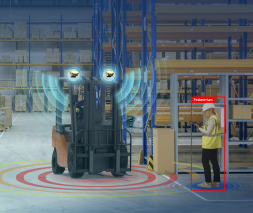
- Trio Safe AI brings AI-powered, tagless detection that covers visitors and contractors without wearables, installing on mixed fleets and, in many cases, on existing cameras.
- Trio Safe adds UWB proximity detection for precise, tag-based alerts in obstructed or low-visibility areas where cameras struggle.
- True AI turns interaction data into risk insight, so safety managers act on patterns rather than isolated events.
- FleetBridge connects vehicle and fleet data, extending the deployment into fleet management and traffic optimization.
- Trio Locate provides precise indoor positioning that powers zone-based safety rules and location-aware alerts.
Trio Mobil's team works alongside facility teams through planning, pilot, rollout, and ongoing optimization, drawing on deployment experience across industrial sites worldwide.
Frequently Asked Questions
Timelines depend on facility size and the number of zones. Plug-and-play installation keeps most rollouts fast and lets operations continue while each area comes online. A phased approach, one zone at a time, spreads the work and surfaces adjustments early.
In most cases, yes. Modern systems mount with minimal disruption, and a zone-by-zone rollout keeps the rest of the facility running while each area goes live.
Start with a pilot in one high-risk zone. A pilot validates detection settings and alert thresholds against real conditions, so you scale a tuned configuration instead of debugging site-wide.
Tune out false alarms early, explain what each alert means and the response it calls for, and give operators a channel to report issues. Trust follows a system that alerts accurately and stays quiet when it should.
Map zones to your real traffic patterns and risk points, then set proximity thresholds area by area. Indoor positioning lets zones cover corners and blind approaches, and you can refine thresholds after go-live as you review performance.
Plan for routine checks, software updates, and periodic tuning as operations change. Clarify with your vendor which tasks fall to your team and which the vendor handles.
The Rollout Is the Safety Program
Choosing the right technology matters, though the deployment is what protects people on the floor. A phased rollout, grounded in your facility's real traffic and refined through a pilot, turns a purchase into measurable risk reduction. Treat implementation as an ongoing program, tune it with data, and the system keeps getting stronger as your operations evolve.
Sources
- OSHA, Powered Industrial Trucks eTool: guidance on separating forklift traffic from pedestrians and installing warning systems at intersections and blind corners.
- National Safety Council: workplace injury data on powered industrial vehicles.

Product Catalogue 2026
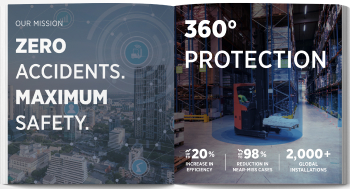
Download our catalog and gain access to a wealth of information on how to enhance industrial safety and efficiency. Our latest catalog features a diverse range of products and services that can help you achieve your goals.
Our Latest Blogs


Learn more about Trio Mobil's Solutions
Fill out the form and we'll contact you!