


Trio Mobil Global Technology Innovation Leader in AI-Based Industrial Safety
Read the Frost & Sullivan Analysis

Zone-Based Forklift Speed Control: A Guide to Safer Warehouse Operations
 March 09, 2026
 3 min
3 min 510
510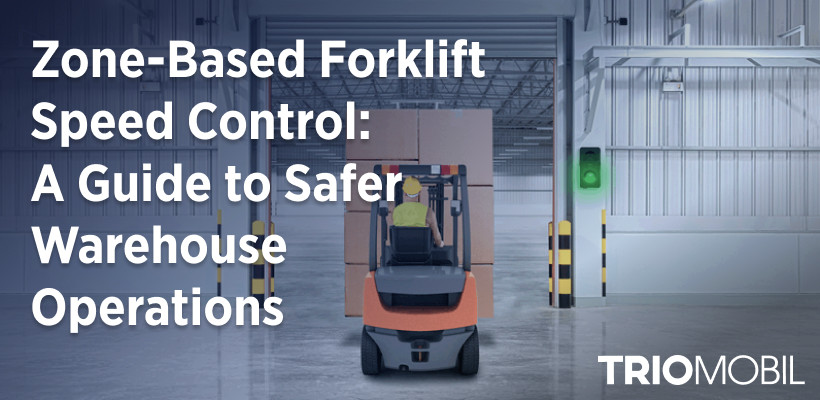
Forklifts, essential for material handling, can pose significant risks if not properly managed. Traditional safety measures have included training, signage, and general speed limits, but these methods often fall short of addressing the nuanced risks present in different areas of a warehouse. Enter zone-based forklift speed control - a cutting-edge solution that tailors forklift speeds to specific zones within the warehouse, thereby enhancing safety and operational efficiency. This guide will delve into the intricacies of zone-based speed control, exploring its necessity, functionality, benefits, and implementation.
What is Zone-Based Forklift Speed Control?
Zone-based forklift speed control is an advanced safety system designed to regulate forklift speeds based on their location within a warehouse. Unlike traditional speed regulation methods that apply a uniform speed limit throughout the warehouse, zone-based control uses technology to create specific speed zones, optimizing safety and efficiency according to each area's unique risk levels.
Key Components
- Geofencing Technology: This involves creating virtual boundaries or "geofences" within the warehouse. These geofences define different zones, such as high-traffic areas, pedestrian walkways, and loading docks, each with its speed limit.
- Sensors: Sensors are installed on forklifts and at strategic locations within the warehouse. These sensors continuously monitor each forklift's location and communicate this data to the control system.
- Control Units: Control units are integrated into the forklifts to receive sensor data. Based on the forklift's location, the control unit automatically adjusts the speed to comply with the predefined limits for that particular zone.
Why is Zone-Based Forklift Speed Control Needed?
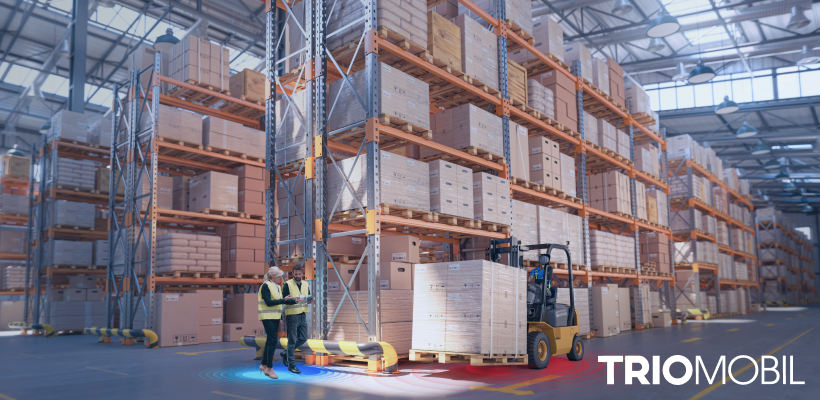
The need for zone-based forklift speed control arises from several critical factors influencing warehouse safety and efficiency.
High Accident Rates
Forklifts are involved in a considerable number of workplace accidents annually. According to OSHA, forklifts cause about 85 fatal accidents and 34,900 serious injuries yearly in the United States alone. Many of these accidents result from forklifts operating at inappropriate speeds in high-risk areas. By implementing zone-based speed control, warehouses can significantly reduce the risk of accidents by automatically lowering speeds in areas where collisions and incidents are more likely to occur.
Varying Risk Levels
Different zones within a warehouse present varying levels of risk. For instance, areas where forklifts interact with pedestrians, such as walkways and loading docks, have a higher risk profile than storage aisles. Zone-based speed control addresses these varying risk levels by adjusting forklift speeds according to the specific safety requirements of each zone. This targeted approach helps forklifts move at safer speeds in high-risk areas while maintaining higher speeds in low-risk zones to optimize productivity.
Regulatory Compliance
Adhering to OSHA standards and other safety regulations can be challenging for warehouse operators. Regulations often mandate specific safety measures, including forklift speed limits, to protect workers. Zone-based speed control aids compliance with these regulations by maintaining appropriate speed limits in designated zones, thereby reducing the risk of regulatory penalties and enhancing workplace safety.
Operational Efficiency
Balancing safety and efficiency is crucial in warehouse operations. While safety is the primary concern, it is also important to maintain operational efficiency to meet productivity targets. Zone-based speed control allows forklifts to operate at higher speeds in safer, low-risk areas, thus optimizing the workflow without compromising safety. This balance between safety and efficiency can improve overall performance and reduce operational costs.
Advanced Zone-Based Forklift Speed Control Systems
Modern zone-based forklift speed control systems leverage sophisticated technologies to create a seamless and effective safety solution.
| Feature | How it works? | Traditional Forklift Speed Control | Trio Mobil’s Zone-Based Forklift Speed Control |
|---|---|---|---|
| Geofencing Technology | Uses GPS or RFID technology to create virtual boundaries within the warehouse, defining zones with specific speed limits | No virtual boundaries; uniform speed limits applied across the entire warehouse | Virtual boundaries using GPS technology define specific zones with tailored speed limits for each zone |
| Sensor Integration | Sensors installed on forklifts and throughout the warehouse continuously monitor location and movement. They use technologies such as RFID, GPS, and infrared to track forklifts in real-time. | Limited or no sensor use; manual speed adjustments based on operator judgment | Sensors continuously monitor forklift location and communicate with control units to automatically adjust speeds in real-time |
| Automatic Speed Adjustment | Control units automatically adjust the speed of forklifts based on data received from sensors | Manual speed adjustments by operators | Control units receive data from sensors and automatically adjust forklift speeds based on the predefined limits for each zone |
Advanced Zone-Based Forklift Speed Control Systems
Implementing zone-based forklift speed control systems offers several significant benefits for warehouse operations.
| Benefit | Description of Impact | Traditional Forklift Speed Control | Zone-Based Forklift Speed Control |
|---|---|---|---|
| Enhanced Safety | Automatically reducing speeds in high-risk zones decreases the likelihood of accidents, protecting operators and pedestrians, leading to fewer injuries, reduced downtime, and lower workers' compensation claims. | Uniform speed limits may not address specific high-risk areas effectively. | Targeted speed reduction in high-risk zones significantly enhances safety for operators and pedestrians. |
| Increased Efficiency | Maintaining optimal speeds in low-risk areas allows for quicker material movement, improving task efficiency and overall warehouse productivity while balancing safety and operational targets. | Uniform speed limits can slow down operations in low-risk areas. | Allows higher speeds in low-risk zones, boosting efficiency and meeting operational targets without compromising safety. |
| Cost Savings | Fewer accidents result in lower expenses related to injury treatment, workers' compensation claims, equipment repairs, and potentially lower insurance premiums, leading to significant cost savings. | Higher accident rates can lead to increased costs in injury treatment, repairs, and insurance premiums. | Reduced accident-related costs and potential lower insurance premiums contribute to substantial cost savings. |
Trio Mobil's Zone-Based Forklift Speed Control Systems
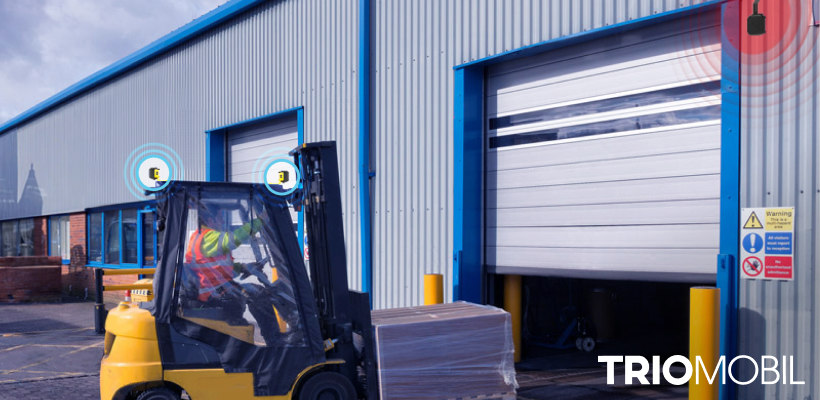
Trio Mobil offers zone-based forklift speed control systems designed to enhance safety and efficiency in warehouse operations. Our systems use advanced technologies and real-time sensors to create precise geofencing within your warehouse. These systems automatically adjust forklift speeds based on their location, achieving optimal speed in low-risk areas and reduced speed in high-risk zones.
Implementing Trio Mobil's solutions can significantly reduce accidents, improve compliance with safety regulations, and boost overall productivity. Our tailored systems meet the unique needs of each warehouse, providing a comprehensive approach to forklift safety and operational efficiency. Invest in Trio Mobil’s innovative solutions for a safer, more efficient warehouse environment.
For more detailed information about our innovative zone-based forklift speed control solutions, visit our website or request a demo to see how our systems can transform your workplace safety and efficiency.
Disclaimer: Trio Mobil solutions are operator-assist aids. They do not replace safe working practices or prevent all incidents. Performance depends on operating conditions and configuration; see product documentation.

Product Catalogue 2026
Download our catalog and gain access to a wealth of information on how to enhance industrial safety and efficiency. Our latest catalog features a diverse range of products and services that can help you achieve your goals.
Our Latest Blogs


Learn more about Trio Mobil's Solutions
Fill out the form and we'll contact you!